Feeling there makes people want to go
Two studies with more than 900 people in Hong Kong and the UK: the more present people felt in a 360° or VR scene, the more they liked the place and the more they wanted to visit it.
Keep places open, even when they change.
Museums, heritage sites, destinations and events, visited online and in VR: a first look that makes people want to come, a record before places change, and a way in for those who can't travel.
Online first, then in person
A 360° tour shows the space, not the experience. It won't give anyone the smell of coffee in the café, a deep sound filling the hall or the real piece a step away. What it does is answer the question visitors ask before they set off: is it worth going?
Those who weren't sure decide to come. Those who come know where to go. And the venue chooses what stays offline: the highlight piece, the temporary exhibition, the view from the top.
Two studies with more than 900 people in Hong Kong and the UK: the more present people felt in a 360° or VR scene, the more they liked the place and the more they wanted to visit it.
A field study with one of Austria's best-known museums, plus an online survey: virtual tours made people curious, and that curiosity raised their intention to visit the museum itself. Good images and a good story made the tour feel authentic.
Info points for culture
Each info point where it belongs, highlighting what matters most: an audio guide in four languages, a zoom on a detail, a restoration before and after, a historic photo of the same view.
Rooms and works visited online, with audio guides inside the tour.
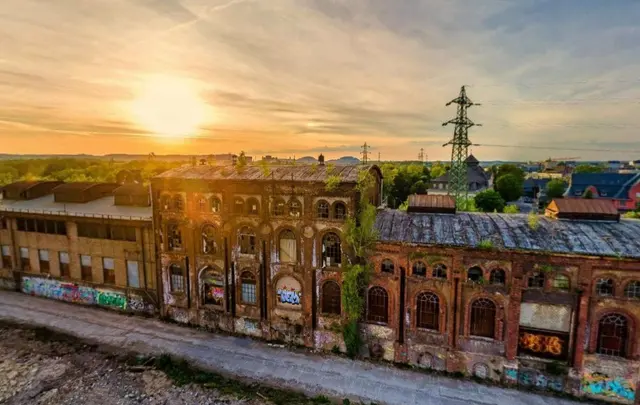
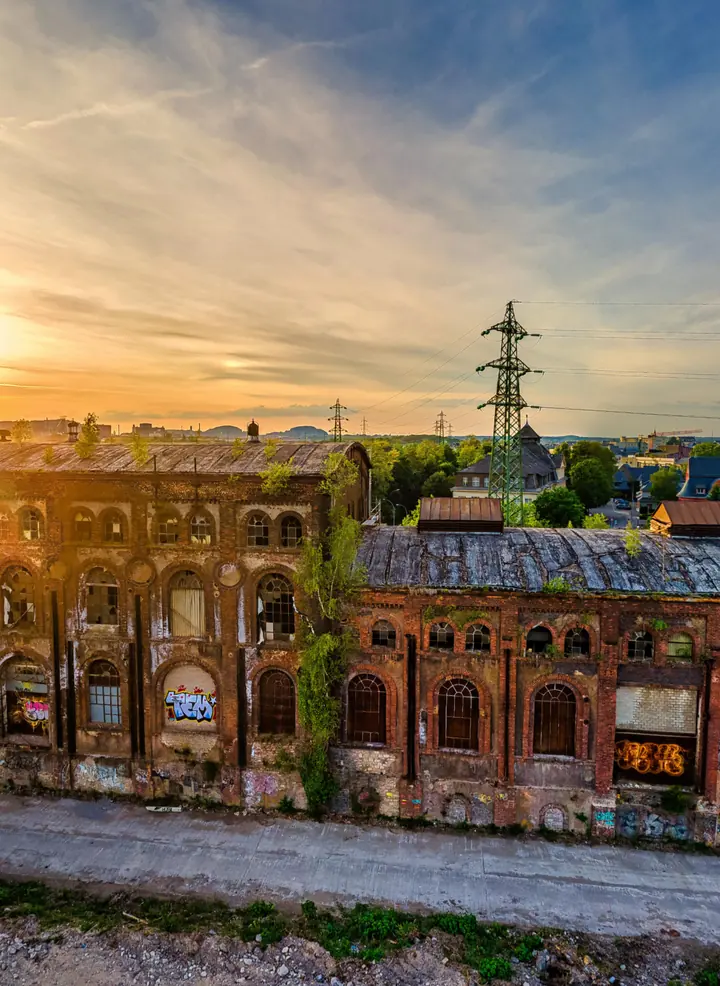
Sites recorded before renovation, demolition or a new use, like Terres Rouges.
Concerts, festivals and fairs in 360°, for social media, VR and next year's sponsors.
A region's best places in one tour, for the website and the counter.
Walk the trail or climb the tower before the trip, with aerial views.
Offline headsets at fairs and tourist offices, with a gallery to pick the tour.
Photogrammetry and Gaussian splats record a monument, a room or an object as a 3D model you can turn in the browser: a digital record before restoration, and a way to show what can't travel.
3D capture →Festivals, fairs and events also welcome instabox.lu photo booths for events: go360's sister brand, from the same founder.
360° video and VR for culture
Some rooms are too fragile, too small or too private for visitors: a palace's state rooms, a castle attic, a museum store. A guided 360° film opens them, with the curator speaking.
An example of the format, made by others: in The People's House (2017) ↗, Barack and Michelle Obama guide the viewer through the White House in VR. A private tour nobody could otherwise get, made personal because the hosts speak to you.
A head of state welcomes you in and walks you through the rooms where guests are received.
The attic, the cellar and the tower stair, opened by the curator who holds the keys.
The objects that are not on show, brought out by the conservator who looks after them.
A painting on the easel and the restorer at work, explaining every step.
Examples for illustration. go360.lu is not affiliated with the organisations named.
The record
go360 panoramas are published on Google Earth, delivered for Getty Images and licensed through 360cities.net to Oculus, National Geographic, Associated Newspapers, Klett and many other publishers.

One supplier for ground, aerial, 3D, 360° video and VR.
Aerial
Castles, trails and landscapes, seen the way a visitor dreams of them.
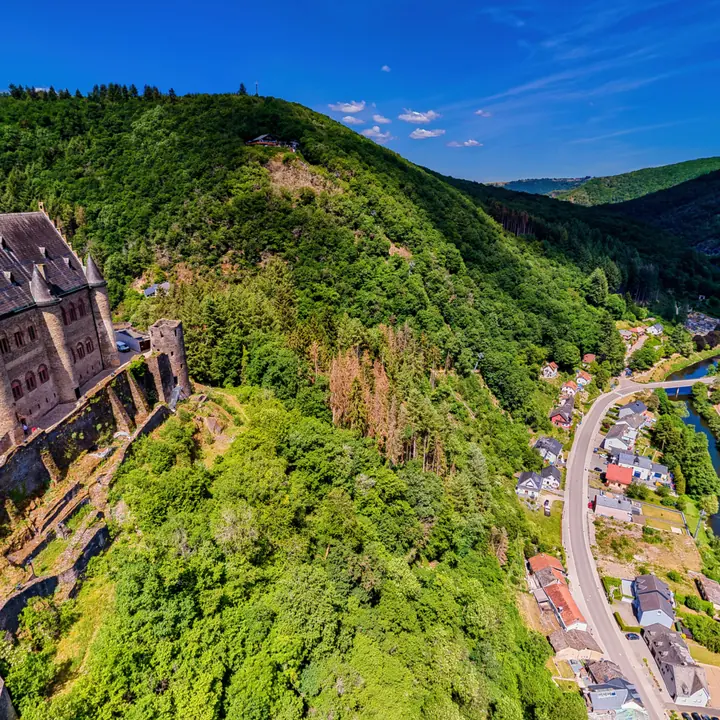
A castle on its rock, the walls and the valley around it, then down into the courtyard.
The route of a walk or a cycle path, and the landscape it crosses.
A festival, a market or a race from the sky, in photos, video or 360°.
Aerial photos, aerial 360° panoramas, aerial video, aerial 360° video and 3D models. The aerial page →
Yours to keep
A complete folder: HTML, JavaScript and every panorama. Host it yourself, on an intranet, offline on a kiosk, in a VR headset, or with go360. No account, no subscription, 0 € recurring.
Ownership & IT →Quality
go360 shoots every view on a full-frame camera with several exposures, so windows and shadows both stay readable, and the stitching stays invisible, even on the straight lines of architecture.
Virtual tours →How go360 quotes
No price list: what moves a quote is the number of viewpoints worth showing, the retouching, the languages, video and VR, aerial permits, how many times go360 comes back to shoot, and how you want it delivered. Never the surface.
How go360 quotes →Yes: French, German, Luxembourgish and English, inside the tour.
Yes. The tour runs offline on VR headsets, with a gallery to pick it.
Yes. On payment, all rights pass to you, exclusively, online and in print, without time limit: your rights.
Yes: the same views before and after, linked in the tour.
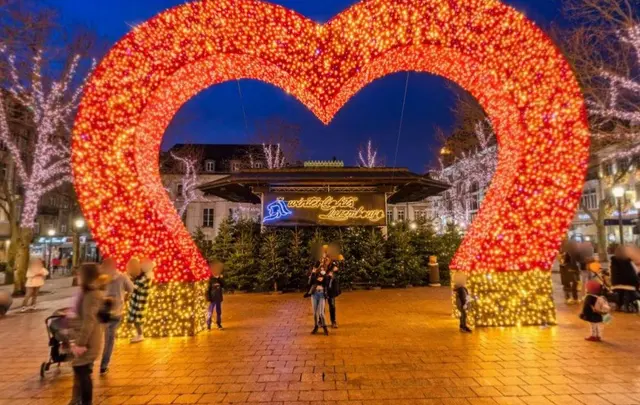
Yes. Winter Lights 2020 was shot after dark. Events are filmed in 360° with the organisers' permission.
Outdoor and aerial shots need dry weather and little wind. If the forecast is bad, go360 moves the date.
Yes. A tour shows the space, not the experience: the smell of coffee in the café, a deep sound filling the hall, the real piece a step away. It answers "is it worth going?" and removes the doubt about access and what to expect. Studies on virtual tours point the same way: feeling present on screen raises curiosity and the wish to visit the real place. And the venue chooses what stays offline: the highlight piece, the temporary exhibition, the view from the top.
Sources: Tussyadiah, Wang, Jung, tom Dieck (2018), "Virtual reality, presence, and attitude change: Empirical evidence from tourism", Tourism Management 66 · Chekembayeva, Garaus (2024), "Authenticity matters: investigating virtual tours' impact on curiosity and museum visit intentions", Journal of Services Marketing 38 (7)
Tell us about the place, the audience and what they should experience.